

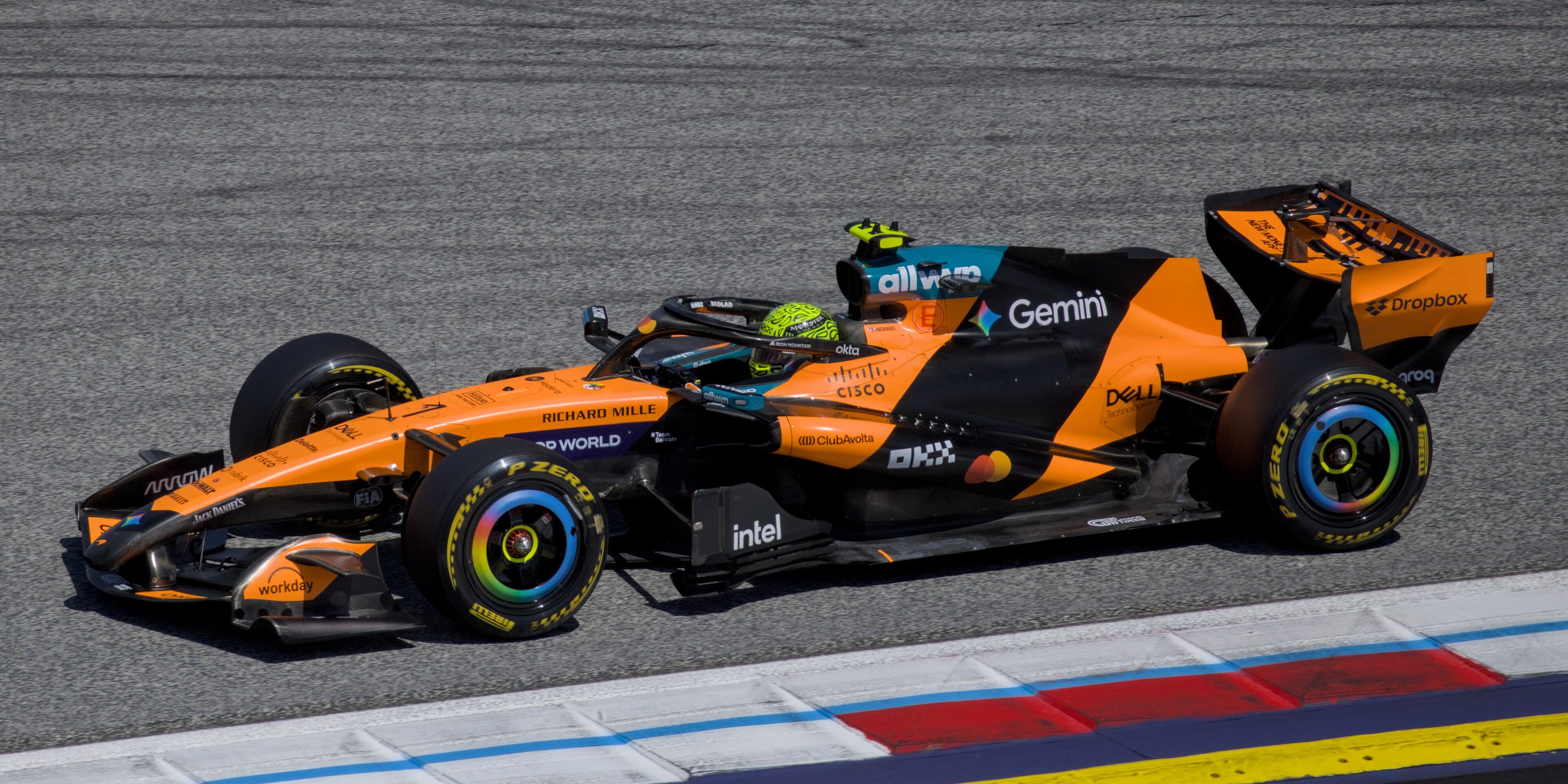
My first thought after the race was, “Wow, what a race!”
The final Dutch GP proved far more exciting than last year's race, or even the sprint. From Verstappen, of all people, crashing at the damp final corner to some questionable early strategy calls, here are my thoughts on the key decisions.
Chaos at the Start
Some readers might remember Grosjean receiving a one-race ban after causing a pile-up at the start of the Belgian GP that took out multiple drivers. In my opinion, Russell was lucky to avoid a similar penalty for his very late block on Piastri.
That might sound dramatic, but the sequence of events after Piastri avoided the collision sent Verstappen onto the grass and led to several minor collisions. I was amazed that nobody was taken out of the race in the first three corners.
Unfortunately, with the final corner still damp at the start, it felt inevitable that someone would end up in the wall. It was a surprise that Verstappen had the big crash, but the replay showed that he put two wheels on the damp white line on the inside, which likely caused the car to turn left even as he tried to continue straight.
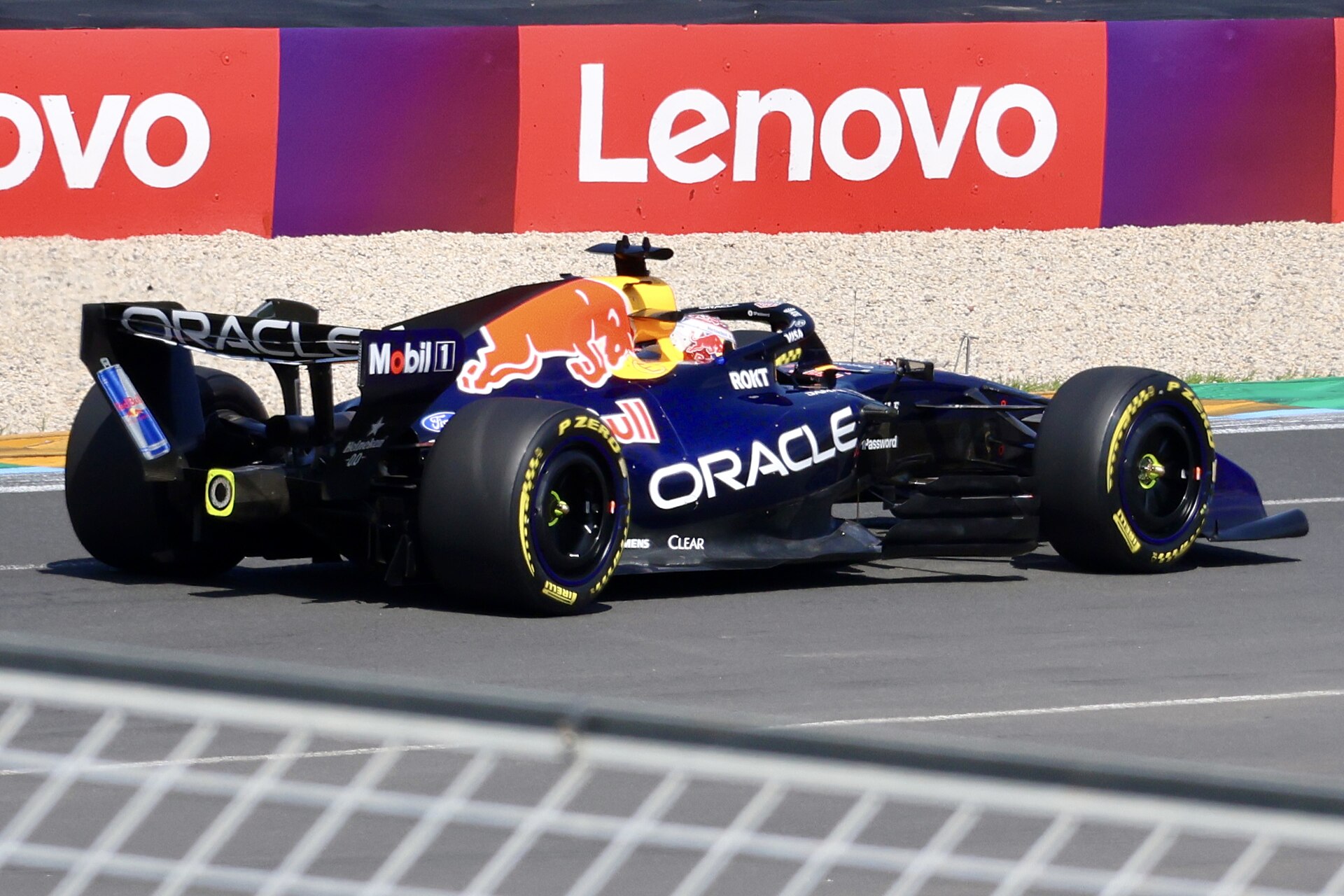
Max Verstappen in the Red Bull RB22. Image: Yu Chu Chin / Wikimedia Commons (resized), CC BY-SA 4.0.
.jpg)
Norris Out Front... Eventually
After the restart, Antonelli superbly overtook Norris and managed to hold off the McLaren for the first two stints of the race.
As in Hungary, however, Norris stayed close to Antonelli, keeping the gap generally below two seconds and benefiting at times from traffic. Seeing Norris remain that close in dirty air around this track, you felt that something would happen.
That something came when Norris pitted on lap 47, a whole seven laps after Antonelli. Antonelli had been complaining about a lack of grip for several laps, and Norris immediately set a time 1.5 seconds faster. A few laps later, we had a fantastic three-way fight for the lead, including the late-stopping Hamilton, but ultimately Norris's pace was too strong.
Ultimately, it followed a similar script to Hungary. Norris stayed close to his rival for the lead, then executed a flawless overcut and built a massive ten-second gap in the final part of the race.
Questionable Strategies
I found myself slightly confused towards the end of the first stint when McLaren pitted Piastri to cover Russell, despite Piastri being on harder tyres. At the time, it felt like a mistake, given that Piastri had shown better pace up to that point.
Similarly, it was strange to see so many drivers box on lap 21, with Antonelli, Norris and Leclerc all moving onto the same strategy. In hindsight, Norris always had the pace to do the job in the final stint, but at the time it felt like they were missing an opportunity to try something different.
Ferrari will look at this race and wonder what they were doing. By not pitting slightly earlier for his final scheduled stop—whether that was a refusal or not depends on the full radio edit—Leclerc ended up in traffic when he finally came in, as well as holding up Hamilton.
On the other side of the garage, leaving Hamilton out as long as they did felt strange. Maybe they were going for a one-stop, but Hamilton did not seem aware of it if they were. They were lucky to get a VSC when Ocon broke down, but surely the new mediums were the better bet? My suspicion is that Ferrari could have finished third and fourth without these mistakes.
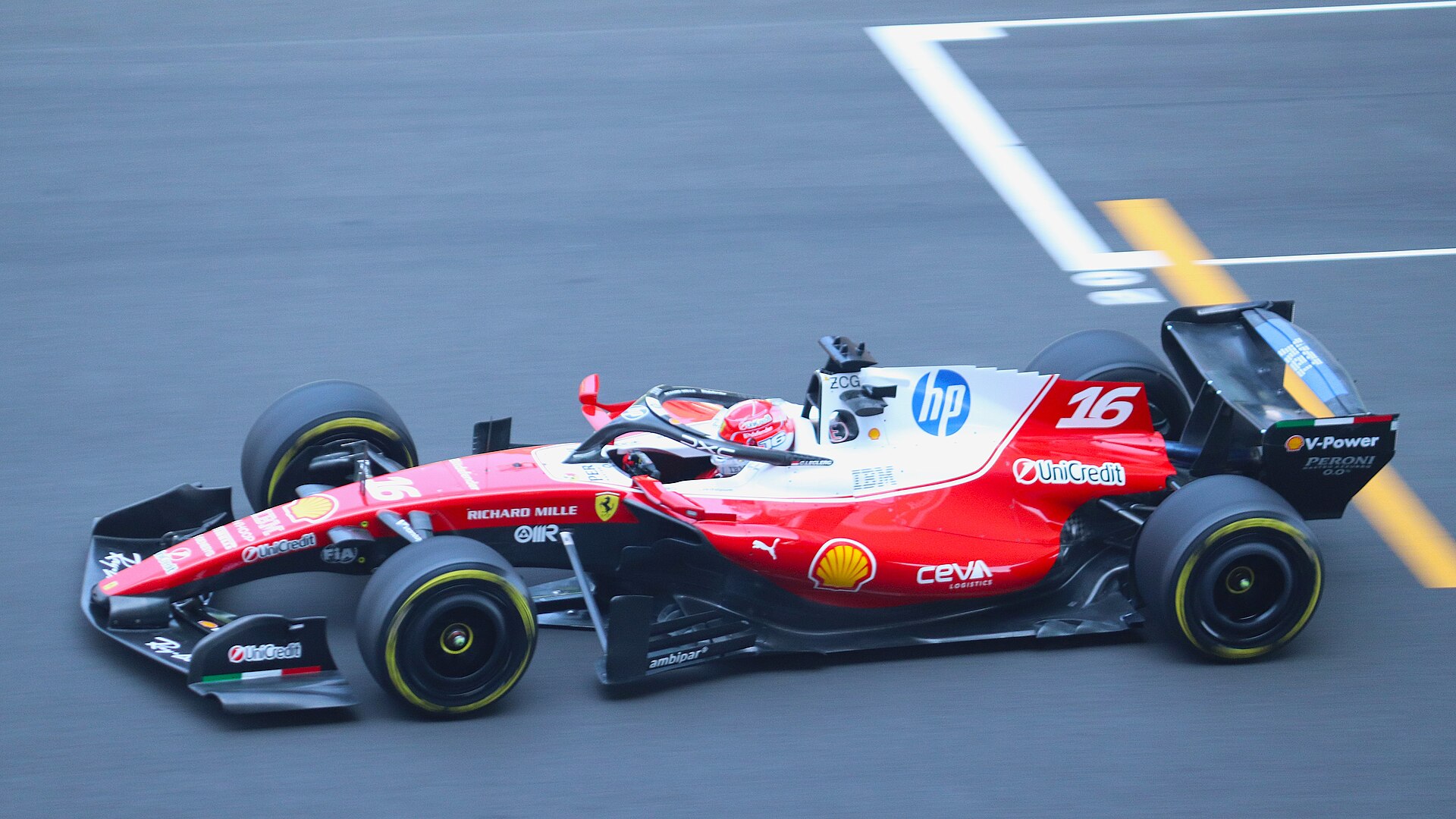
Charles Leclerc in the Ferrari SF-26. Image: Liauzh / Wikimedia Commons (resized), CC BY 4.0.

Wrapping Up
Further down the grid, there was plenty of close wheel-to-wheel racing. It is a testament to the drivers' skill that we did not see more collisions on such a narrow track. Sainz and Albon were unfortunate exceptions. Williams will wish that the speed with which Vowles defended Sainz—using the tired line, “We need to build you a better car”—could somehow be transferred to the car itself.
Aston Martin will be very satisfied with ninth. The upgrades are clearly starting to work, but the team still has a way to go before it can be taken seriously again.
Finally, the pit stops felt slower than usual overall. We will need to do some analysis to confirm whether that feeling was accurate. That leads nicely into an article later in the week.